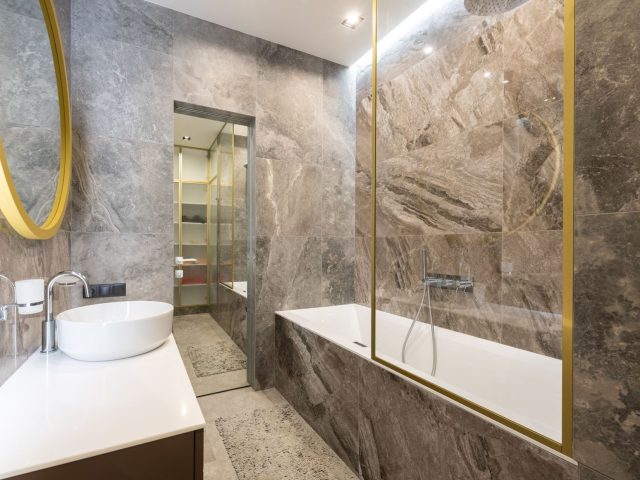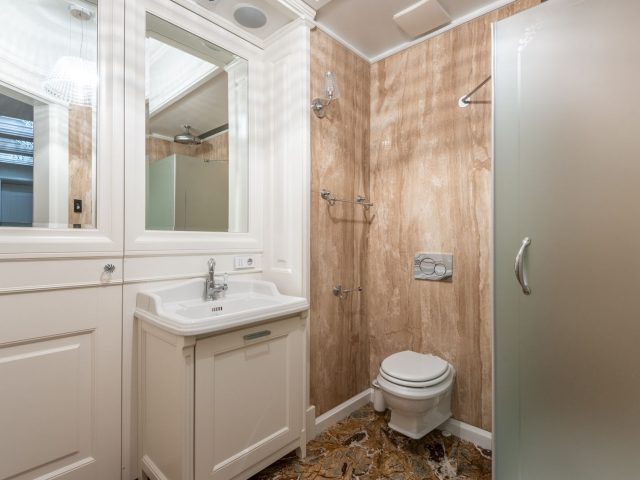

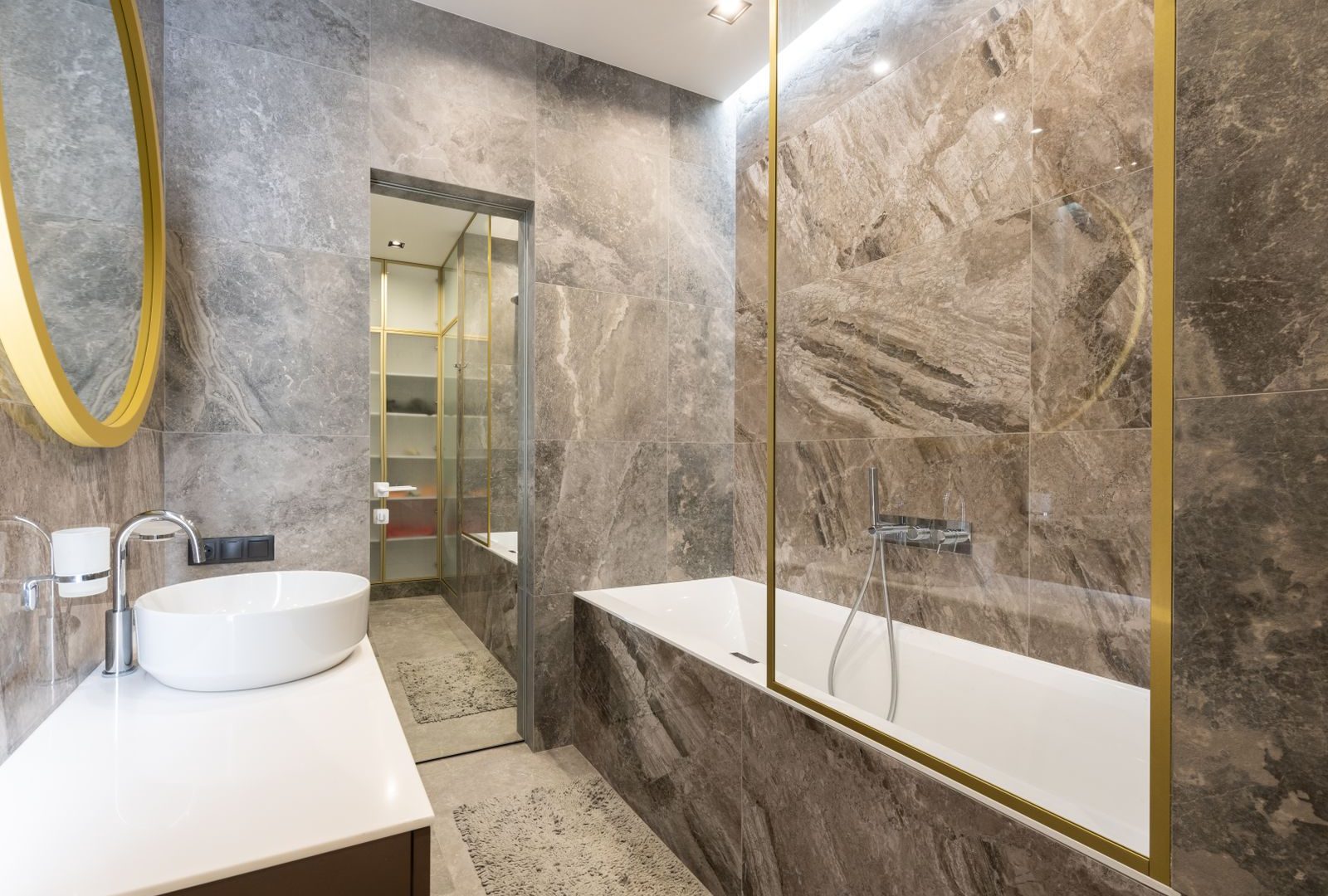
A vanity counter is a small piece of stone that gets looked at closely and touched constantly, which makes it a different job from a kitchen counter or a floor — the tolerances are tighter and the finish matters more per square foot. We template, fabricate, and install vanity counters as a dedicated service, often using remnant material left over from larger jobs.
What it covers
Single and double vanity tops, backsplashes and side splashes cut to match, sink cutouts for both undermount and drop-in basins, and edge profiling sized appropriately for a smaller piece — a heavy ogee edge that looks right on a kitchen island can overwhelm a narrow vanity top, so profile choice gets scaled to the piece. We also handle floating vanity counters and waterfall-edge vanity legs where the stone wraps down the side of the cabinet.
Who it’s for
Homeowners renovating one or more bathrooms, either as a standalone job or alongside a wider fit-out. Contractors who need vanity tops fabricated to match cabinetry already being installed. And anyone replacing a damaged or dated vanity top without wanting to redo the whole bathroom.
How the process runs
- Consultation — cabinet dimensions, basin type (undermount or drop-in), and whether a backsplash or side splash is wanted.
- Templating — taken directly off the installed or about-to-be-installed cabinet, not off a floor plan, since cabinet installation tolerances vary enough to matter at this scale.
- Material selection — often from remnant stock, which can bring the cost down meaningfully versus buying a full slab for a piece this size.
- Fabrication — cut, sink cutout machined to the basin’s actual template, edges profiled.
- Installation — fitted to the cabinet, sealed, and basin fixtures reconnected.
Materials and options
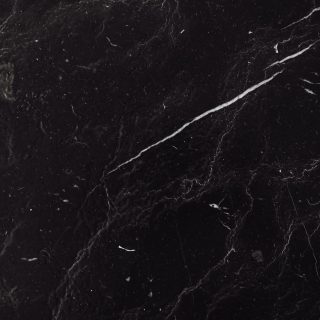
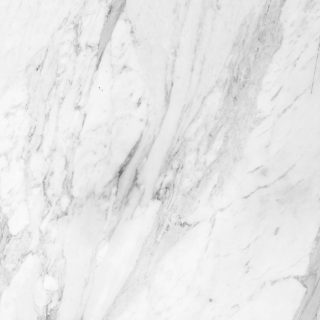
Marble and quartz are the two most common choices for vanities — quartz where a low-maintenance, non-porous surface matters in a wet environment, marble where the veining and feel of natural stone are the priority and you’re prepared to seal and maintain it. Standard thickness is 20mm, occasionally 30mm for a heavier look on a floating vanity. Undermount basins give a cleaner sightline along the front edge; drop-in basins are faster to fit and easier to replace later without disturbing the stone.
What it costs to get started
Vanity counters are one of the more affordable ways into working with natural stone, particularly if remnant material fits the size you need. Bring us your cabinet dimensions and basin choice and we’ll give you a firm quote before fabrication starts.